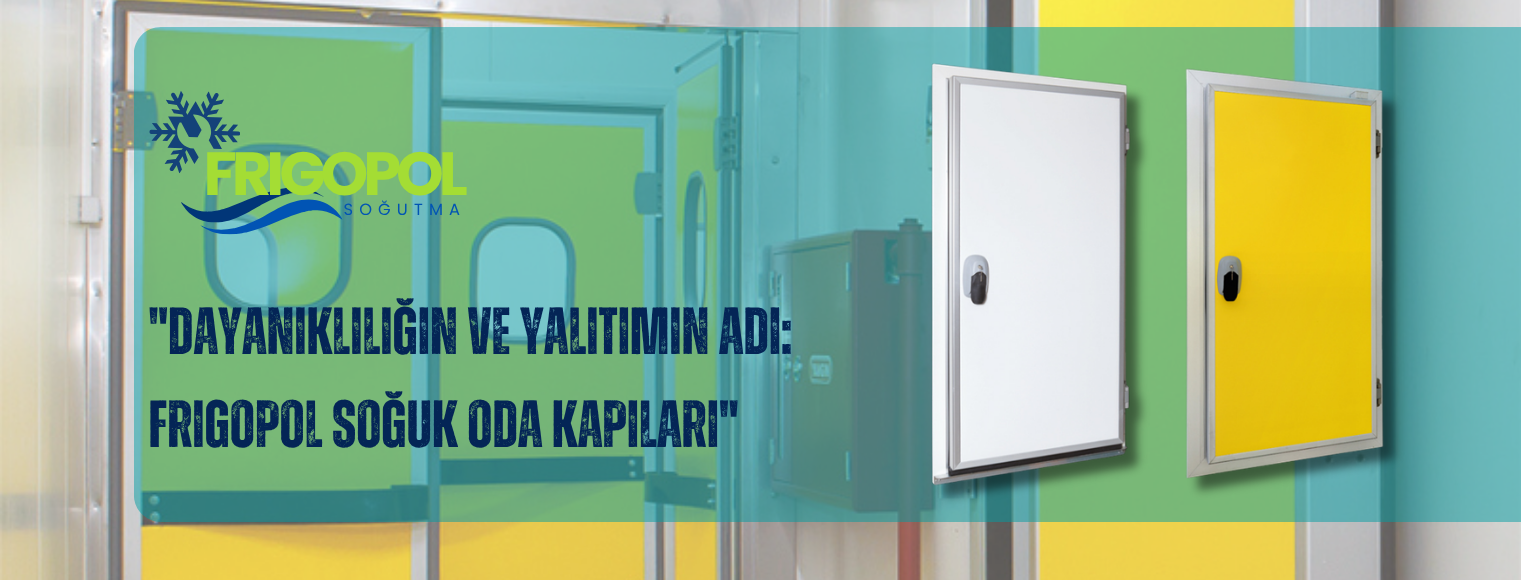
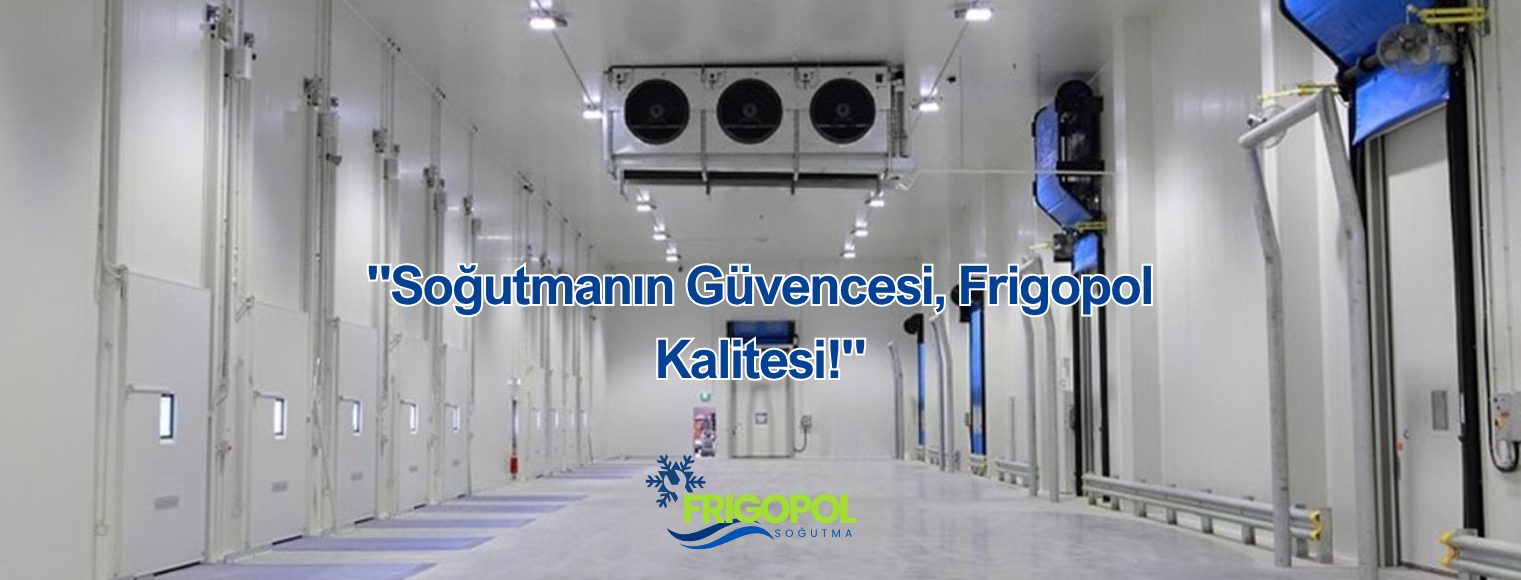
Cold room doors play a critical role in food, pharmaceutical, logistics, and industrial refrigeration systems. As one of the key factors in temperature control for a high-efficiency cooling system, these doors help save energy while preserving the freshness of stored products. In this article, you'll find detailed information about the features, advantages, and application areas of cold room doors.
Features of Cold Room Doors
-
High Thermal Insulation:
Minimizes heat loss to ensure energy savings. -
Durable Materials:
Long-lasting thanks to stainless steel and alucobond coatings. -
Air-Tight Structure:
Provides maximum sealing with dense insulation materials. -
Ease of Use:
Sliding and hinged models offer solutions tailored to various needs.
Advantages of Cold Room Doors
-
Energy Savings:
Prevents heat loss, allowing refrigeration systems to consume less energy. -
Hygienic and Easy to Clean:
Antibacterial coatings comply with hygiene standards. -
Long Lifespan:
Robust construction ensures years of trouble-free use. -
Various Models:
Offers sliding, hinged, and automatic options to meet industrial demands.
Application Areas
Cold room doors are widely used across different sectors:
-
Food Industry:
Used in the storage of meat, dairy products, seafood, and fruits and vegetables. -
Healthcare Sector:
Ideal for storing medicines and medical samples in hospitals and laboratories. -
Logistics:
Ensures effective temperature control in cold storage and transportation areas.