Food Storage Warehouses
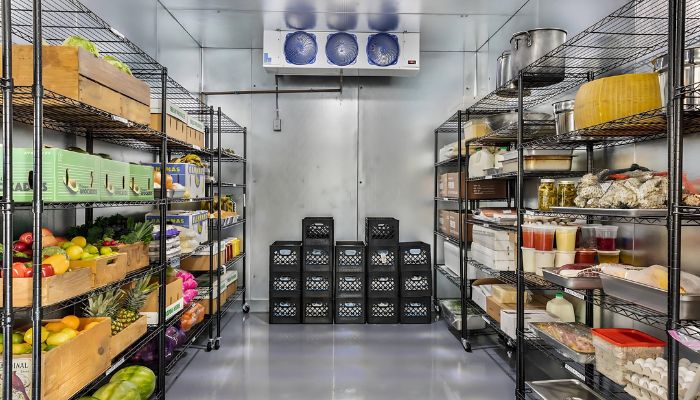
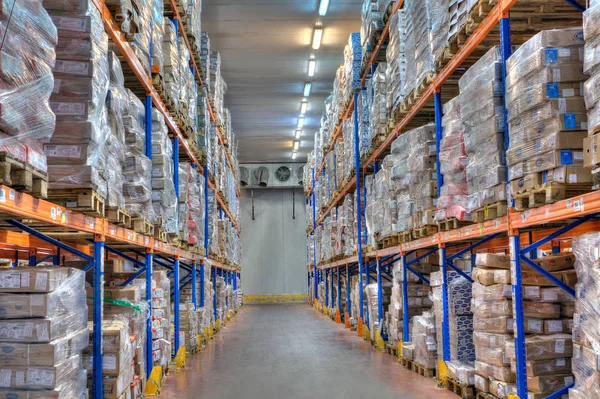
Food storage warehouses are specialized facilities designed to preserve food safely and hygienically for a certain period without spoilage. These storage areas are equipped to control environmental factors such as temperature and humidity according to the specific needs of different types of food.
Key Features of Food Storage Warehouses:
-
Temperature Control:
Storage conditions vary depending on the type of food:-
Cold Rooms: +0°C to +4°C (e.g., dairy, meat, vegetables)
-
Frozen Storage: -18°C and below (e.g., frozen meat, fish, ready meals)
-
Dry Storage: +15°C to +25°C (e.g., legumes, canned goods, flour, sugar)
-
-
Humidity Control:
-
Products like fruits and vegetables should be stored at 85–95% humidity.
-
Dry foods must be kept in low-humidity environments to prevent mold formation.
-
-
Hygiene and Cleaning:
-
Warehouses should be cleaned and disinfected regularly.
-
Pest control measures must be implemented.
-
-
Product Tracking and Shelving System:
-
Products should be organized based on type, production date, and expiration date using the FIFO (First In, First Out) system.
-
Proper stacking using shelves, pallets, and boxes ensures order and accessibility.
-
Common Uses of Food Storage Warehouses:
-
Supermarket and grocery store chains
-
Restaurant and hotel kitchens
-
Food production facilities
-
Agricultural product storage (e.g., cold rooms for fruits and vegetables)